
How to Write Page Titles That Actually Rank in 2026
Stop guessing with your page titles. Here is what actually moves the needle in 2026, including the exact character count, where to place your keyword, and how to write titles people want to click.
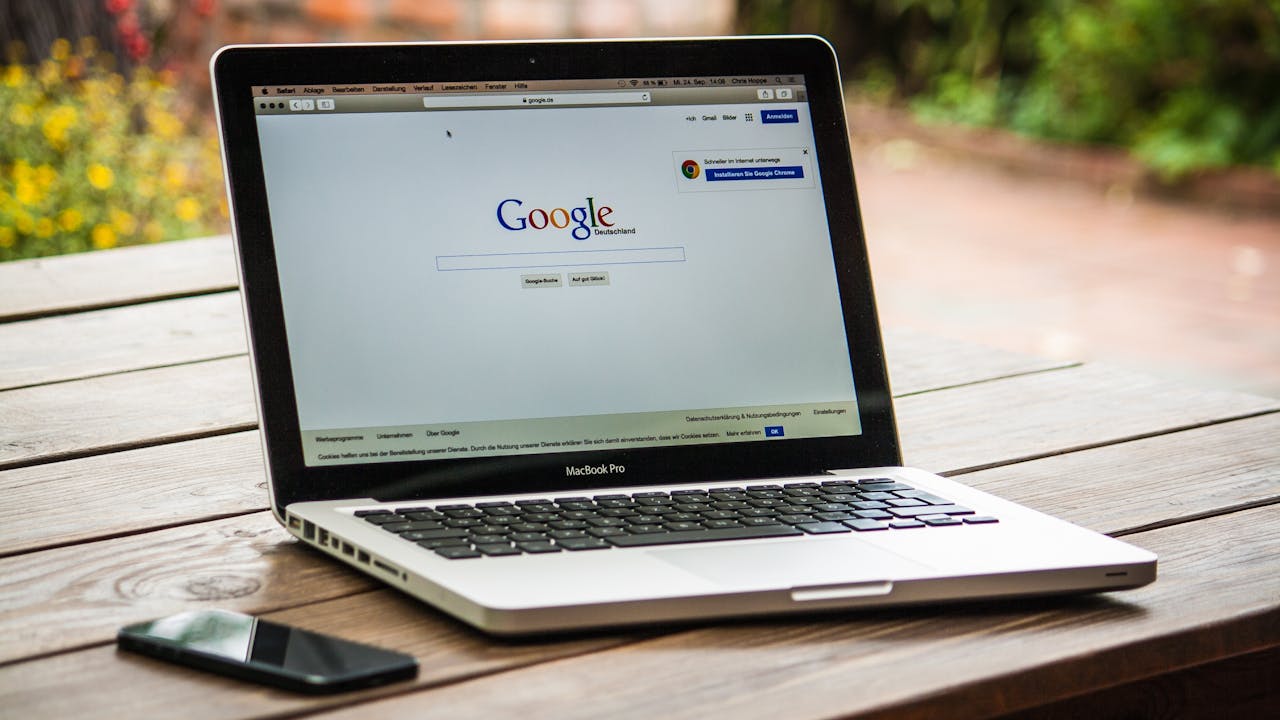
Your page title is the single most important on-page SEO element you control. It is what Google displays in search results, what social platforms pull when someone shares your link, and what determines whether a searcher clicks or scrolls past. Yet most people treat it as an afterthought.
In 2026, the rules have shifted slightly. Search engines are better at understanding context and intent, but they still rely heavily on your title tag to categorize and rank your content. This guide breaks down exactly what works now, what no longer moves the needle, and how you can test your titles before you publish.
The ideal title length in 2026
Google still truncates titles at around 60 characters on desktop and roughly 55 to 58 on mobile. That does not mean your title must always be exactly 60 characters. It means you should front-load your most important words inside that window.
A title that is 45 to 55 characters tends to perform best. It is long enough to include your primary keyword and a hook, but short enough to avoid truncation across most devices. If your title gets cut off mid-word, searchers see an ellipsis instead of your value proposition. That alone can crush your click-through rate.
You can check your title length in real time with the Publizo title checker. Paste your draft and see exactly how it will look in Google search results before you go live.
Where to place your keyword
Put your primary keyword as close to the beginning of the title as possible. People scan results quickly, so the first words do most of the work.
If your keyword is "best productivity apps," a title like "Best Productivity Apps for Remote Teams in 2026" performs better than "2026 Guide: Here Are the Best Productivity Apps for Remote Teams." The second version buries the keyword behind a year and a vague intro phrase.
When you can not start with the keyword without sounding robotic, get it in within the first five words. Anything later and you are giving away prime real estate.
Power words that still work
Certain words trigger curiosity and urgency without slipping into clickbait territory. In 2026, these still move the needle:
- Numbers. "7 Tools," "15 Strategies," "3 Mistakes." Odd numbers feel specific and authentic.
- Time anchors. "In 2026," "This Month," "Right Now." They signal freshness.
- Outcome promises. "That Rank," "That Convert," "Without Spending More." They answer the implicit "what is in it for me?"
- Exclusivity. "The Only Guide," "What Experts Actually Use." They imply insider knowledge.
Mix one or two of these with your keyword and you have a title that earns attention without resorting to manipulation.
Title formats that consistently perform
After analyzing thousands of top-ranking pages, a few patterns emerge again and again:
How-to with an outcome. "How to [Achieve Result] in [Timeframe]."
Example: "How to Rank on Page One in 30 Days."
Listicle with a qualifier. "[Number] [Things] for [Audience/Goal]."
Example: "12 Content Formats for B2B Blogs in 2026."
Problem-solution. "Why [Problem] Happens and How to Fix It."
Example: "Why Your Traffic Dropped and How to Recover It."
Comparison or versus. "[A] vs [B]: Which [Outcome] Better?"
Example: "WordPress vs Ghost: Which Ranks Better in 2026?"
The key is choosing the format that matches search intent. If someone searches "best noise canceling headphones," they want a listicle. If they search "why does my site not rank," they want a problem-solution article. Match the format to the intent and it fits what they came for.
Common title mistakes that hurt rankings
Even experienced content creators make these errors:
- Duplicate titles across multiple pages. Every page on your site needs a unique title. Duplicate titles confuse search engines and dilute ranking potential.
- Keyword stuffing. "Best SEO Tools, Top SEO Tools, Cheap SEO Tools 2026" reads like spam. Use your keyword once naturally.
- Vague promises. "The Ultimate Guide to Everything" tells the searcher nothing. Be specific about the topic and the outcome.
- Missing the year or freshness signal. For topics that evolve quickly, adding "2026" or "Updated" signals that your content is current. This matters more than most people realize.
- Brand name at the front. Unless you are Nike or Apple, your brand name should go at the end. Lead with the keyword and the value.
How to test your titles before publishing
Before you hit publish, plug your title into a SERP preview tool. The Publizo title checker shows you exactly how your title and meta description will appear in Google search results, including character count warnings and truncation previews.
Write three to five title variations for every article. Run each one through the checker. Ask yourself:
- Would I click this if I saw it on page one?
- Does the first half stand alone if Google truncates the rest?
- Does it promise something specific the article actually delivers?
The title that scores highest on all three is your winner.
When to rewrite an existing title
If a published article is stuck on page two or three, a title rewrite is often the fastest way to break through. Do not change the URL. Simply update the title tag and meta description, then wait two to three weeks.
Look for pages that rank between positions 8 and 15. These are the perfect candidates. A small boost in click-through rate can push them onto page one, which multiplies traffic without any new backlinks.
Key Takeaways
Your page title is a conversion tool, not just an SEO field. Keep it between 45 and 60 characters. Front-load your keyword within the first five words. Use numbers, time anchors, and outcome promises. Match the format to search intent. Test before you publish. And never stop iterating on titles for content that is already live.
This article was written with Publizo.
About what your business sells, in your voice, on your site as a draft or live. 3 full articles over 7 days, no card.
Start your free weekFounder of Publizo. Has run websites since 2016.